


Waltzing Matilda and More Storybooks for the Music Classroom 22 March, 2024
recommended by Jen Sper and Lisa Springer, School Choral & Classroom Music Specialists
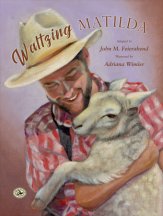
Waltzing Matilda by John Feierabend/illustrated by Adriana Wimler
“You’ll come a-waltzing” with this lively Australian folk song, part of a series of captivating picture books based on beloved songtales collected by John M. Feierabend. Chock-full of whimsical Australian vocabulary, “Waltzing Matilda” depicts the rugged adventures of a traveling worker (“swagman”) as he journeys across the Australian countryside, encountering both good fortune and trouble along the way. Adriana Wimler’s colorful illustrations capture the natural beauty of the Australian landscape and feature several indigenous Australian animals. See if you can spot them all!
Old Joe Clark by John Feierabend/illustrated by Garant Cosey
Even the big bad fox can’t resist joining the fun in this topsy-turvy folk song, part of a series of captivating picture books based on beloved songtales from the great American folk music tradition. The song’s catchy Mixolydian melody and comical depiction of Old Joe Clark have made this song an American favorite since the early 1900s. Garant Cosey’s vibrant illustrations capture the imaginative spirit of the song, featuring characters who are singing, dancing, and playing the banjo (and spoons). More than 90 silly verses have been published for this song over the years. Add to the fun by creating your own!
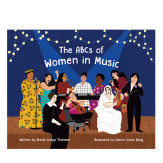
The ABCs of Women in Music by Anneli Loepp Thiessen/illustrated by Haeon Grace Kang
Meet Clara the composer, Ella the jazz singer, Selena the pop star, and Xian the conductor! Women in music are brilliant, creative, brave, and resilient. They are composers, conductors, singers, musicologists, electronic music producers, and so much more. In this vibrantly illustrated picture book, meet 26 remarkable women musicians who collectively span over 1,000 years of music history and represent a diversity of cultures, races, professions, and abilities. Their incredible stories and beautiful work are sure to inspire a new generation of musicians!
Shop Stanton’s for all your sheet music needs!
About the Authors:
Jen Sper is a Choral Music Specialist here at Stanton’s Sheet Music. A native of Cincinnati, she holds a Bachelor of Music Education degree from Baldwin Wallace College (now University) Conservatory of Music, and taught 7-12 choir, music theory, class piano, and drama in Southern Ohio before joining the Stanton’s team in 2006. An active choral singer and accompanist throughout the Central Ohio area, Jen can also often be found exploring the exciting restaurant, brewery, and theater scenes in Columbus, wandering through the local metro parks, visiting family around the Great Lakes, or at home with her very friendly cat.
Lisa Springer joined the Stanton’s choral staff in July 2023. She taught middle and high school choirs for 27 years in addition to serving as Artistic Director of the Columbus Women’s Chorus. She holds degrees from Heidelberg University and Cleveland Institute of Music. She has enjoyed an extensive professional singing career and continues to perform in the greater Columbus area. During her free time, she enjoys spending time in southern Ohio playing with her grandchildren.


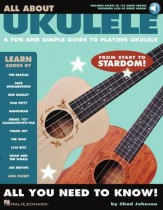 All About Ukulele by Chad Johnson, for Beginning Ukulele
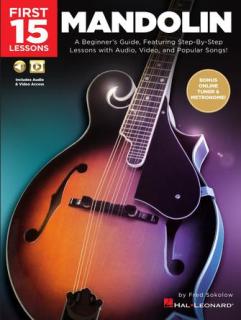 First 15 Lessons for Mandolin by Fred Sokolow
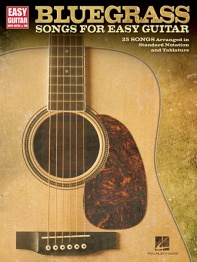 recommended by
 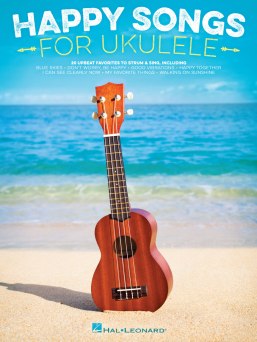 recommended by
  recommended by
 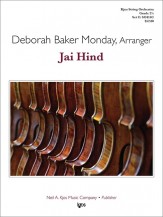 Jai Hind arr. Deborah Baker Monday, Grade 2.5
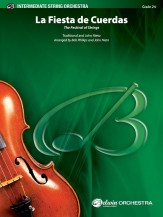 La Fiesta de Cuerdas arr. Bob Phillips & John Nieto, Grade 2.5
 View all of Stanton’s Five Star Features and favorites with our new online catalogs! Featuring our favorite new titles for school and sacred ensembles in fun, programmable categories, use our online catalogs to go straight to a title’s preview material.
  recommended by
  Use Your Ukes
 Essential Elements for Ukulele
 recommended by
  No Ways Tired arr. Rollo Dilworth, SATB with piano
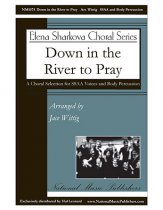 Down in the River to Pray arr. Jace Wittig, SSAA a cappella with body percussion
 Bound for Canaan Lan’ arr. Stacey V. Gibbs, SATB a cappella
 recommended by
  Stanton’s
 What You Can Take On Trial (by department):
 We’re Big Enough to Serve ALL Your Needs
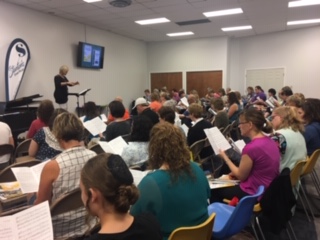 – We are your customer service. We answer your phone calls and e-mails. We fill your orders and process your online orders. We personally handle your “sheet music emergencies.” We solve any problems should they arise. We will get to know you by name, and by working with you over time, get to know your program.
 recommended by
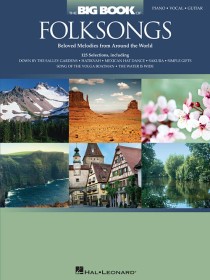
 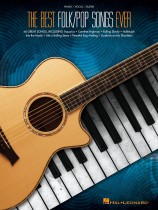 The Best Folk/Pop Songs Ever